Building date: 1829-1831
Original use: Schoolhouse
Corner structures: Variable. Gray limestone and red sandstone
Mortar application and content: Vertical, slight embellishment
Types and uses of stones: Fieldstone, not in rows
Types and choice of windows:
Structures with similar masonry details:
Masons who worked on building:
Unique features:
Map views courtesy Google Maps. Address is Google Earth confirmed; 43°01'27.28"N 77°01'49.97"W. Current owner of record, Decracker as of the 2019 Tax Roll.
Town of Lyons and Wayne County Maps
Roudabush Survey notes that this is not a cobblestone structure.
Construction commenced on the Jackson one-room school house at 336 Pleasant Valley Road, Lyons, in 1829. It was completed in 1831 at a cost of $187. It was named for President Andrew Jackson. The walls are 21 inches thick. It is built of field stones and measures 24 by 28 feet. The children left their coats and lunch pails in the entry area. There were no desks. Instead the students used shelves attached to the walls with benches for seats. Clark Mason was the first teacher. It was used until 1947 and then became a private residence. It is currently (2017) the home of local historian Mark DeCracker and his wife. Richard Palmer blog.
Centennial of Jackson School To be Marked by Reunion Today, Democrat & Chronicle, Rochester, Thursday, August 20, 1927
Little Cobblestone Building in Towns of Lyons and Arcadia Still in Use, with but Few Repairs to Exterior and Modernization of Interior
Lyons, Aug. 19. - The centennial of the erection of the cobblestone school house in District 6, known as the Jackson school, will be marked by a reunion tomorrow.
Among the early settlers in the community was Dr. Cyrus Jackson, who located about five miles southwest of this village in 1800. He was married and lived in a log cabin until 1821, when he constructed a more pretentious house near the site of his former home. This house, built in 1821, and now owned by Paul Seiling, stood with practically no reconstruction until two years ago when the siding began to give way on account of age and the outside was shingled.
In 1831 children in the neighborhood of the Jackson settlement began to reach school age and the problem of constructing a school house was brought to the consideration of the settlers. In March, 1831, Hugh Jameson of Lyons, then commissioner of common schools, called a meeting of the residents of the neighborhood at the home of Dr. Jackson. At that meeting a school organization was effected by electing Christopher Myers, Peter Ackerson and Reuben Penoyer as trustees, Dr. Jackson, clerk and Peter Lott, collector of taxes.
At this meeting it was decided to erect a school house. The plans provided it should be of cobblestone laid in lime and the building was 24 feet by 26 feet. The district was known as District 6 of Lyons and Arcadia, as the property is located partly in the two towns. The total cost of masonry and carpentry was $137. The school opened that summer with Clark Mason of Lyons as teacher. The tuition charged was that each family should furnish one-half a cord of wood split and ready to burn for each child sent to the school. The wood was used for heating the school house. As Dr. Jackson had ten children, it will be seen that he had to skirmish around and have five cords of wood ready.
Miss Carrie E. Jackson and Aaron Jackson, grandchildren of Dr. Jackson, still reside on the farm adjoining the school house which has always been known as the "Jackson School House," being named at its erection in honor of Andrew Jackson, then President of the United states, between whom and Aaron and Miss Carrie Jackson there is a well defined line of family relationship.
Today, 100 years after its erection, this little school house is still performing the duties for which it was built. The stone walls, two feet in thickness, in places show a slight separation, but aside from this and new siding from the roof to the stone wall, all remains as when first erected, even to the beams laid upon the stone walls. Richard Palmer blog.
"The Cobblestone Houses of Upstate New York", compiled by Dorothy Wells Pease. Research done in collaboration with Hazel B. Jeffery, supplemented with material furnished by Carl F. Schmidt, 1941. Reference the tenth paragraph on page 28.
"All Around the Towns" column: Jackson schoolhouse in South Lyons ... sold to Judson I. Rice", Rochester N.Y. Democrat and Chronicle, 05/11/1950. Article includes a condensed history of the schoolhouse.
"Cobblestone Structures of Wayne County" Judson Rice House excerpt, 1955, Verlyn Edward Klahn, pages 115 and 116. Essay submitted for Hoffman Foundation, Wayne County History Scholarship, awarded 1955. Reprint permission granted by Wayne County Historian.
Wayne Historians Organization (WHO), Historic Sites Inventory Cobblestone house
The Cobblestone Society & Museum Tours:
Mr.& Mrs. Judson L. Rice House 12th Annual 06/02/1973
- "Cobblestone Masonry", 1966, Carl Schmidt: Name reference, Jackson Schoolhouse
- Page 162
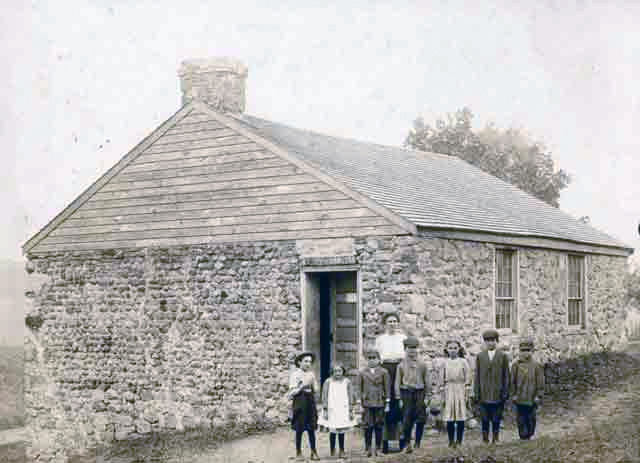 Jackson School in 1910.jpg ¹ 1910 | 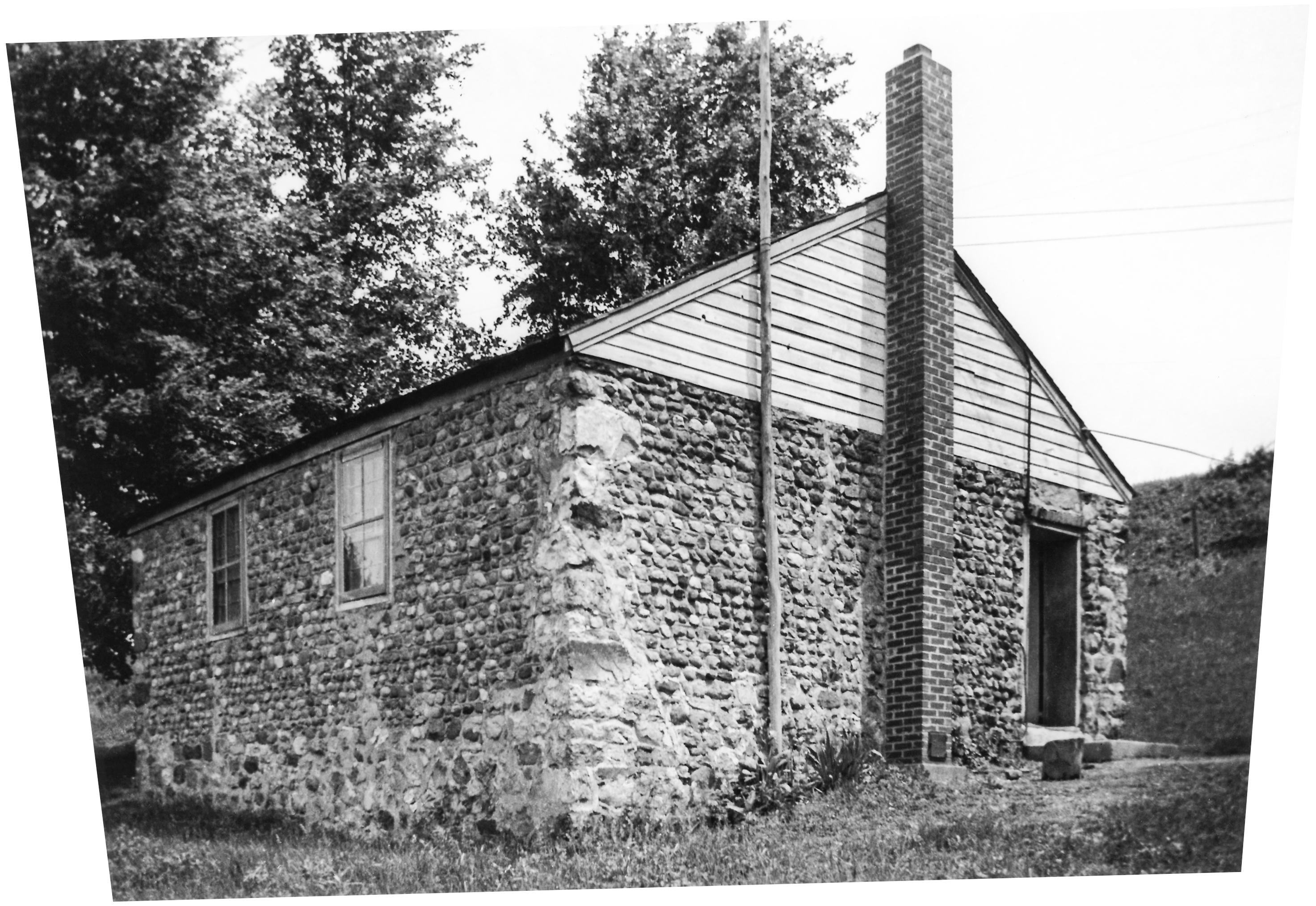 Lyo-9 Rice 1.jpg ² Pease Collection 1940-41 | 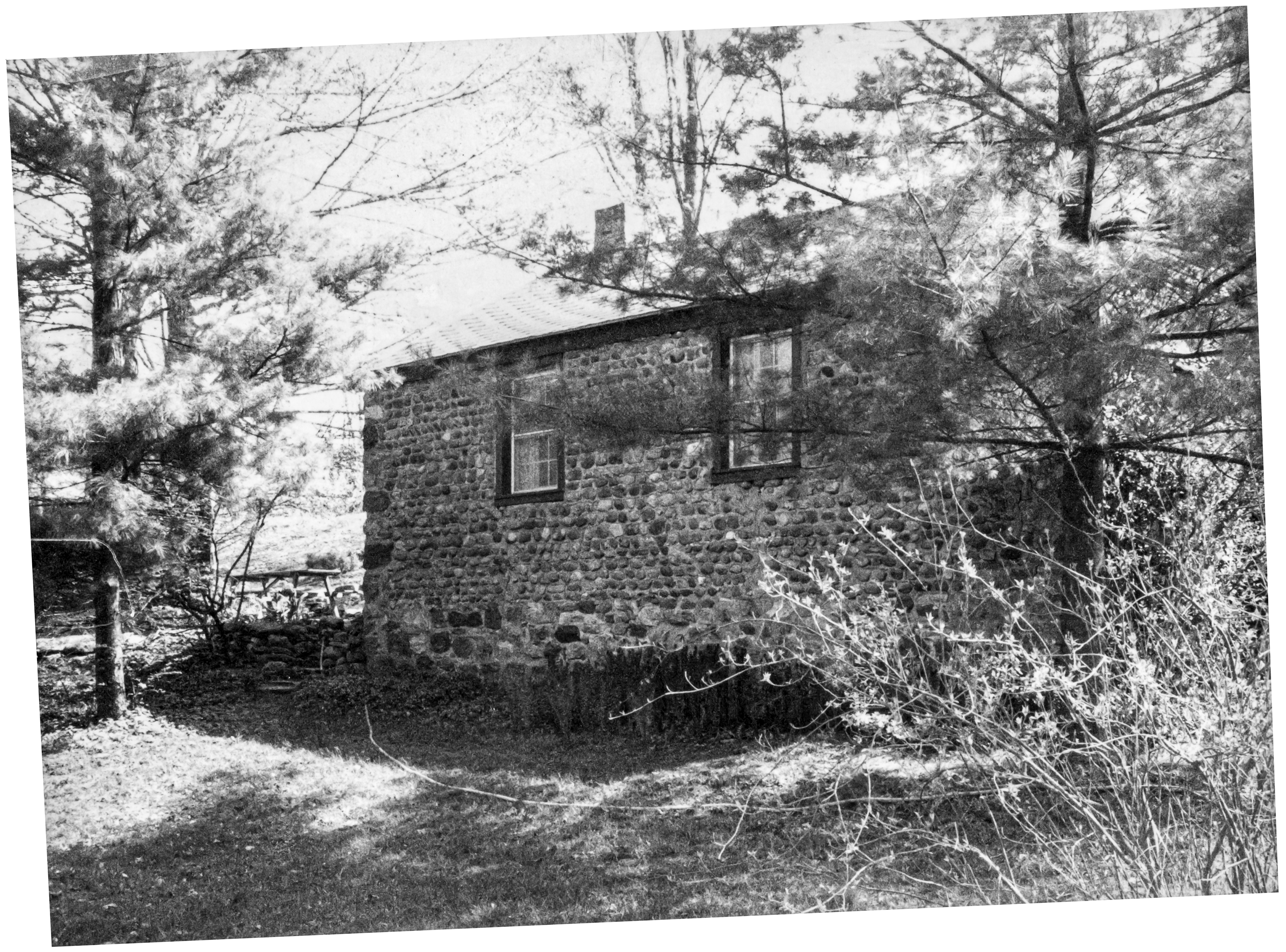 Lyo-9 Rice 2.jpg ² c. 1960s? | 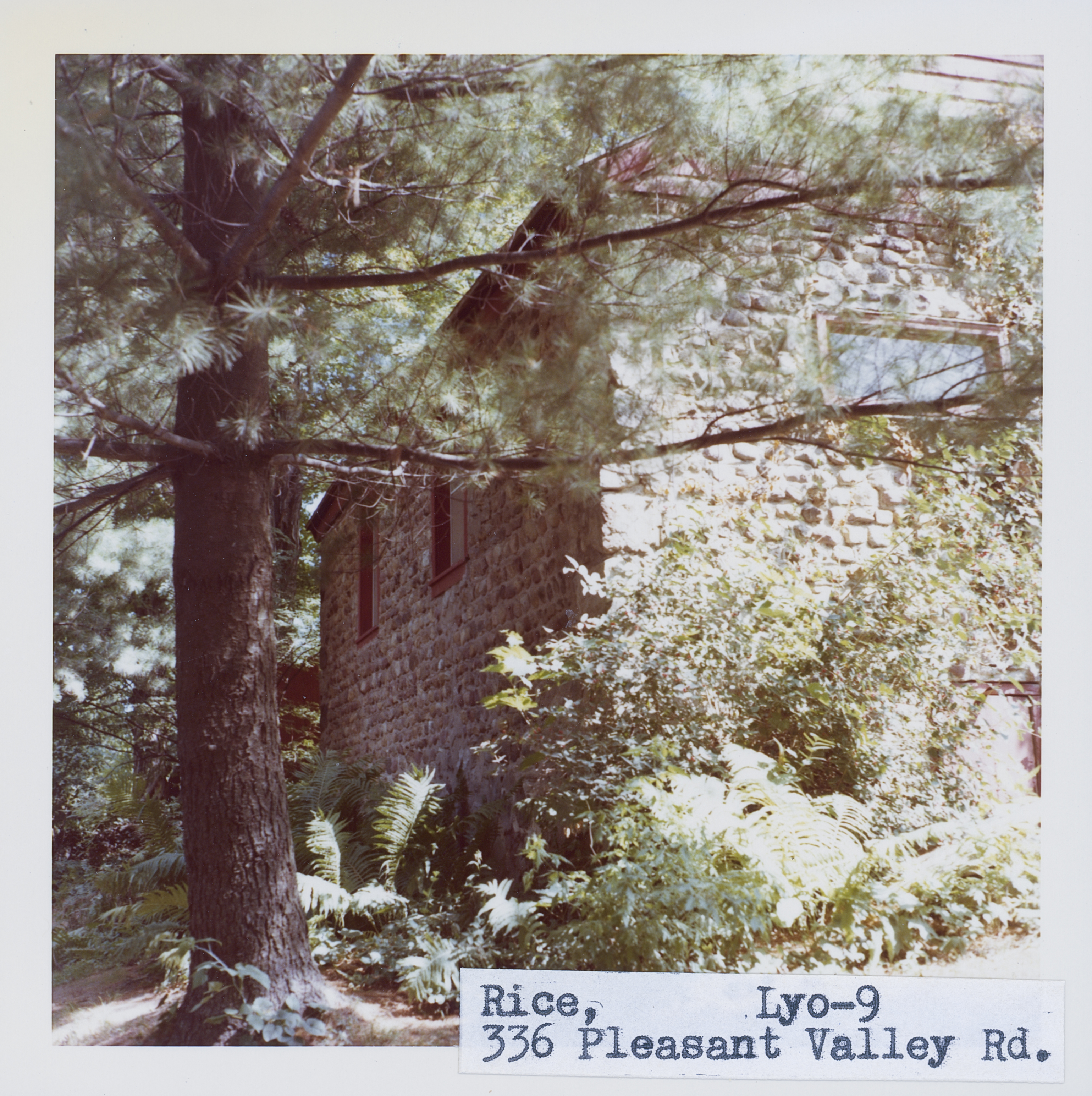 Lyo_9_1.jpg |
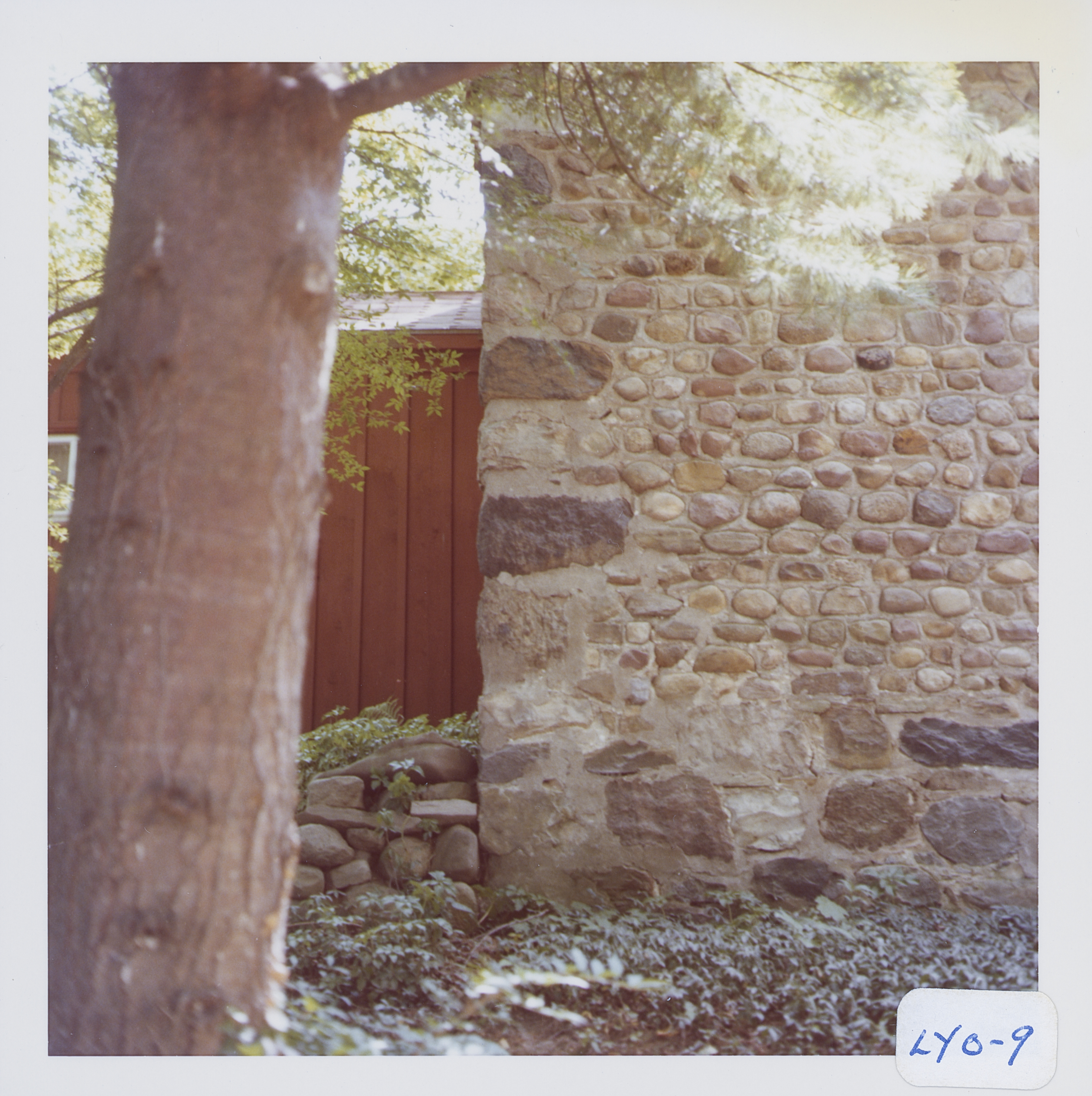 Lyo_9_2.jpg | 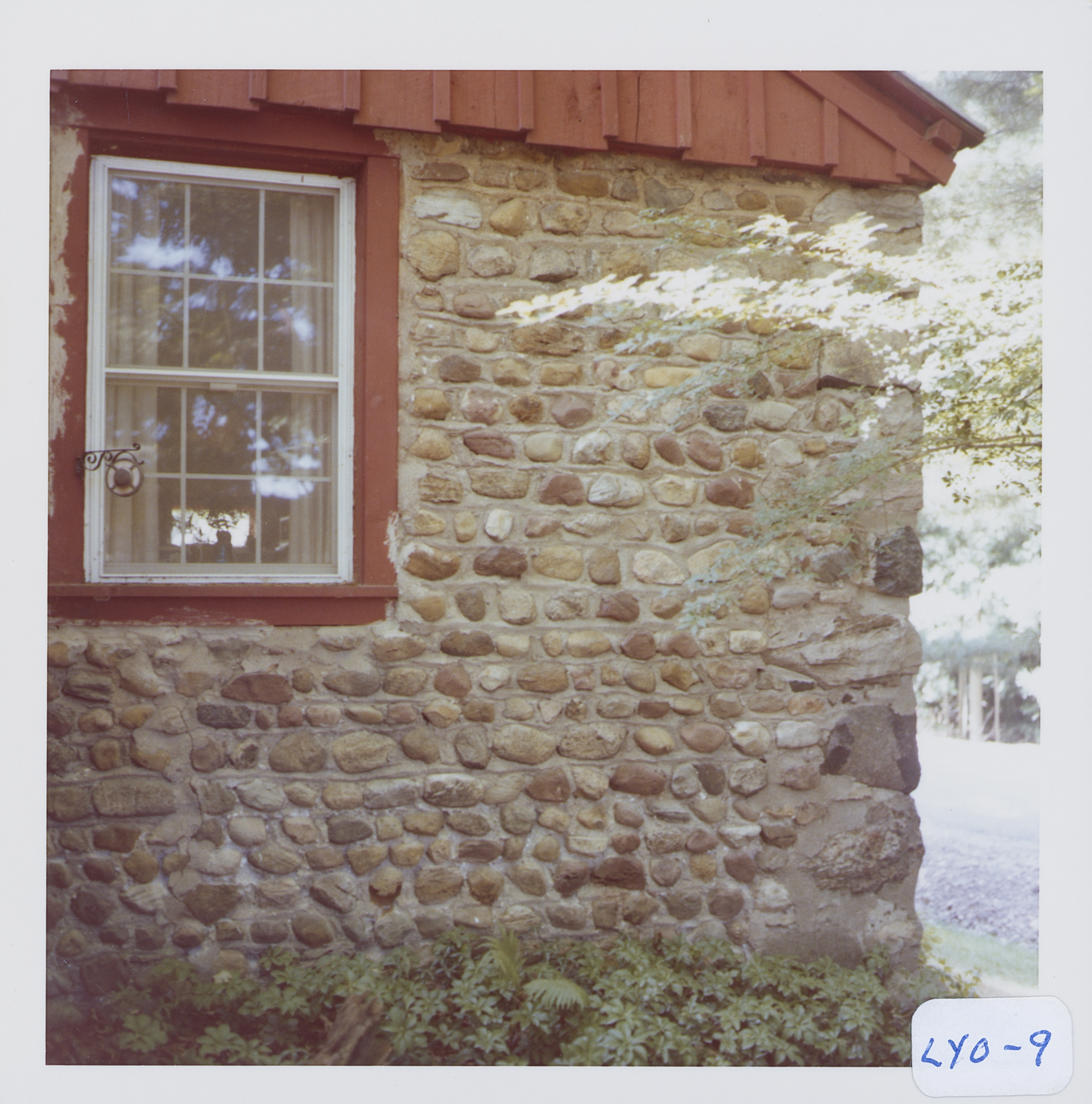 Lyo_9_3.jpg | 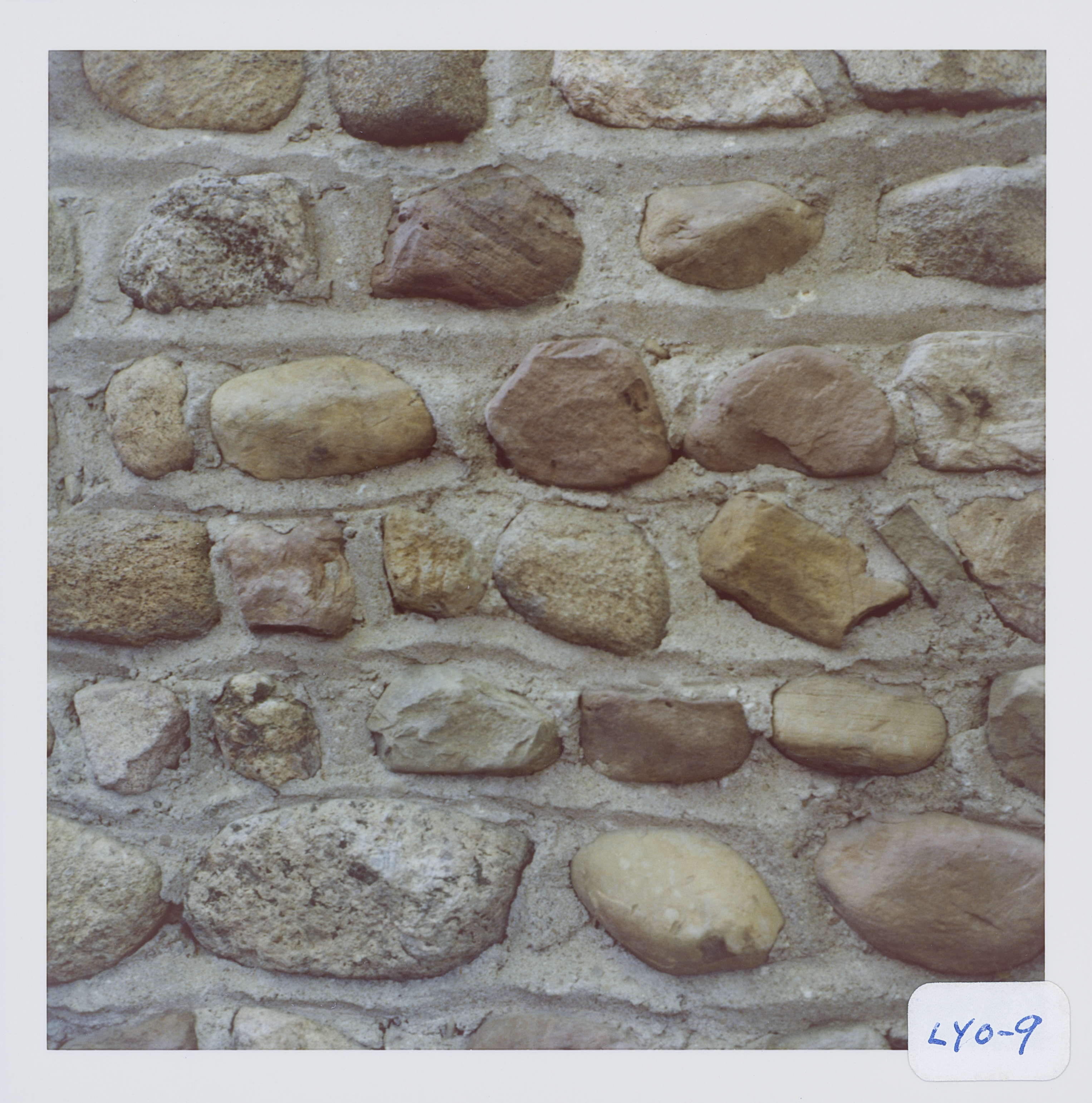 Lyo_9_4.jpg | 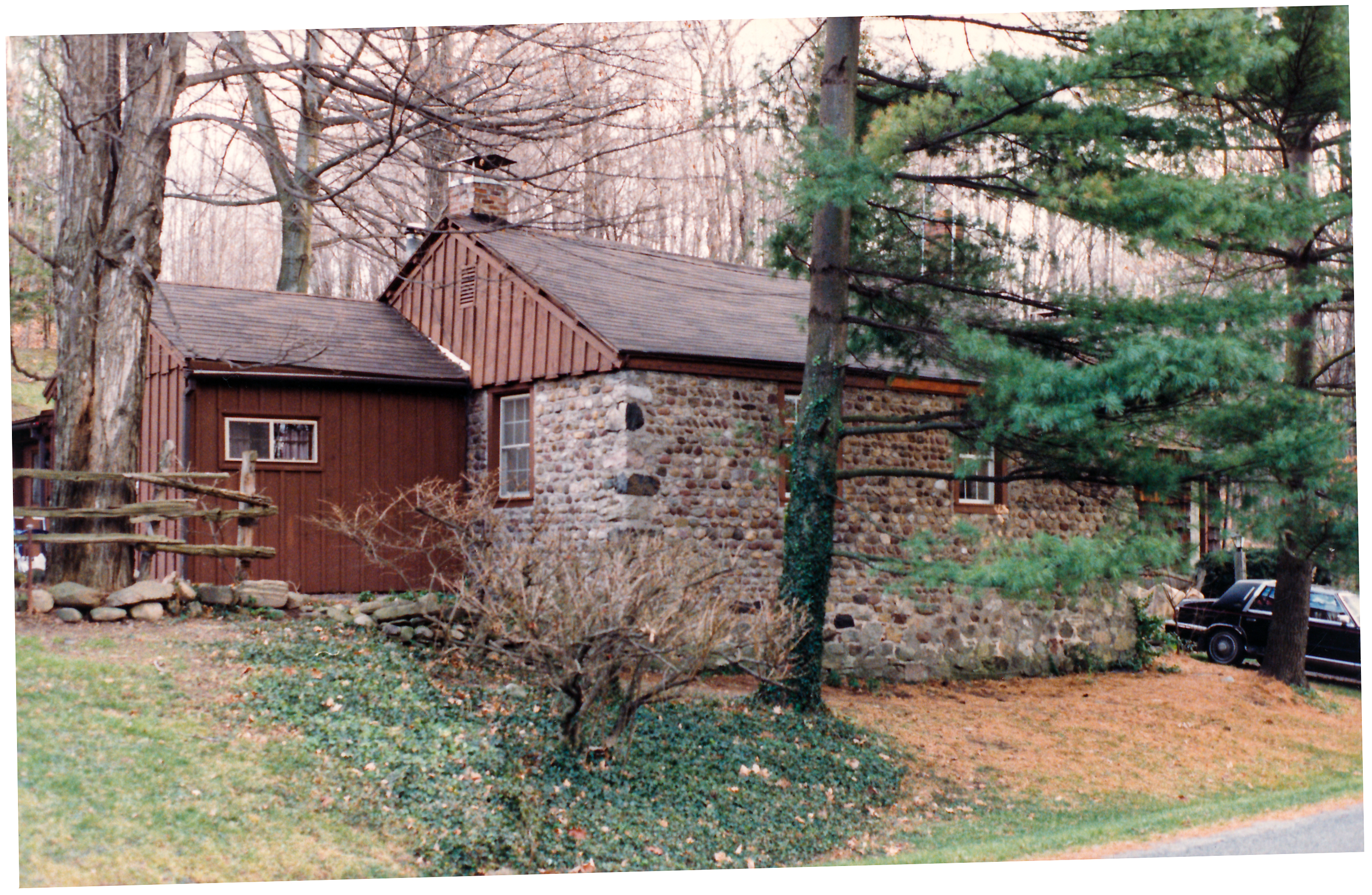 Lyo-9 Rice 3.jpg ² |
 Lyo-9 336 Pleasant Valley Rd 1.jpg ³ | 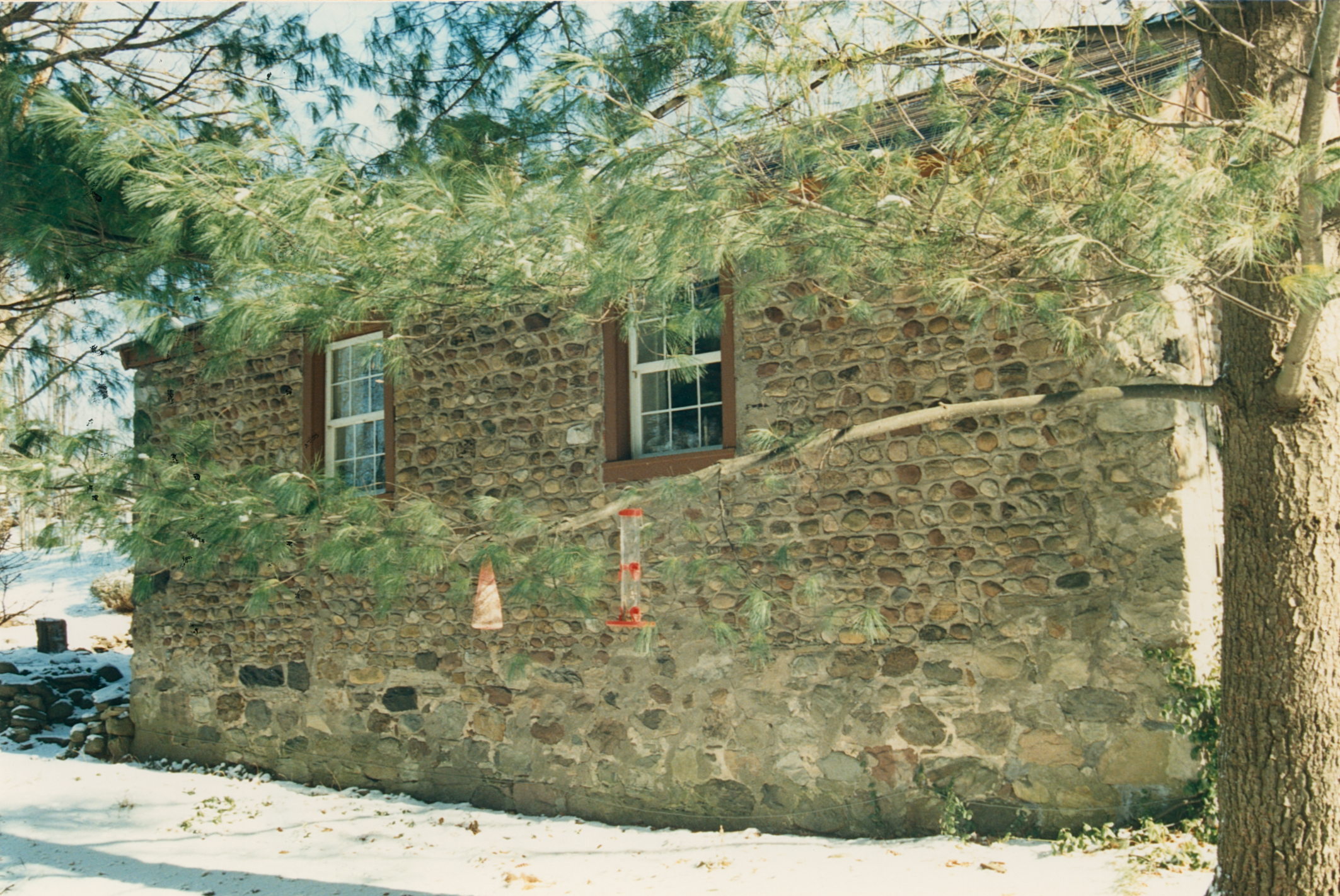 Lyo-9 336 Pleasant Valley Rd 2.jpg ³ | 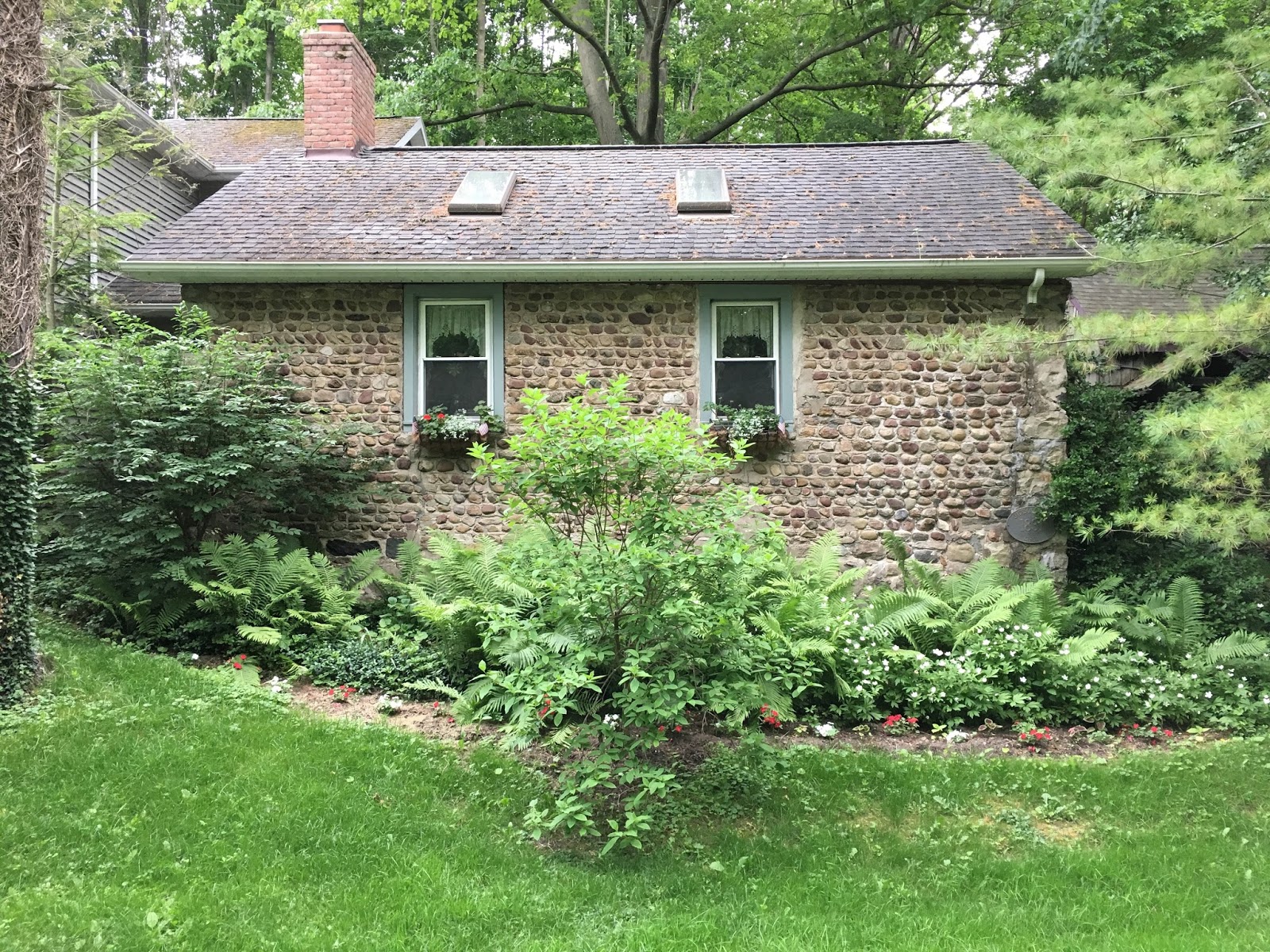 336 Pleasant Valley Road, Lyons.jpg ¹ Same structure as it appears today. |
¹ Photography courtesy home owner and local historian, Mark DeCracker.
² Image courtesy Cobblestone Museum.
³ Photography courtesy Martin and Sheila Wolfish.
4 Photography courtesy Richard Palmer.
